CULTURAL DIALOGUE OF PRE-EVENT GEOFEST 2026 RAJA AMPAT UGGp
"What Would Happen If We Protected Only Nature, Not Culture?"
Geology Information Center of Raja Ampat UGGp - Waisai | June 8th 2026
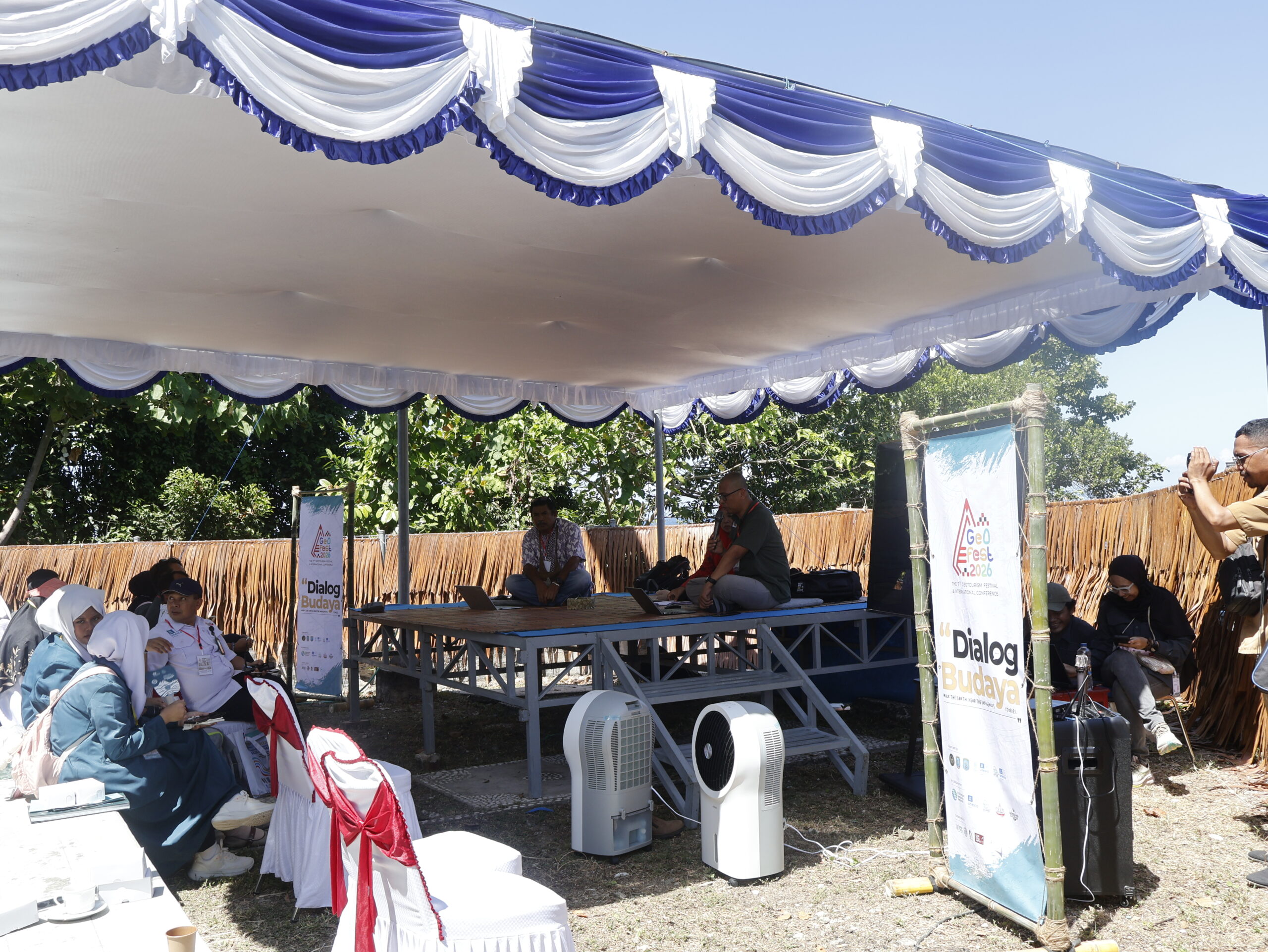
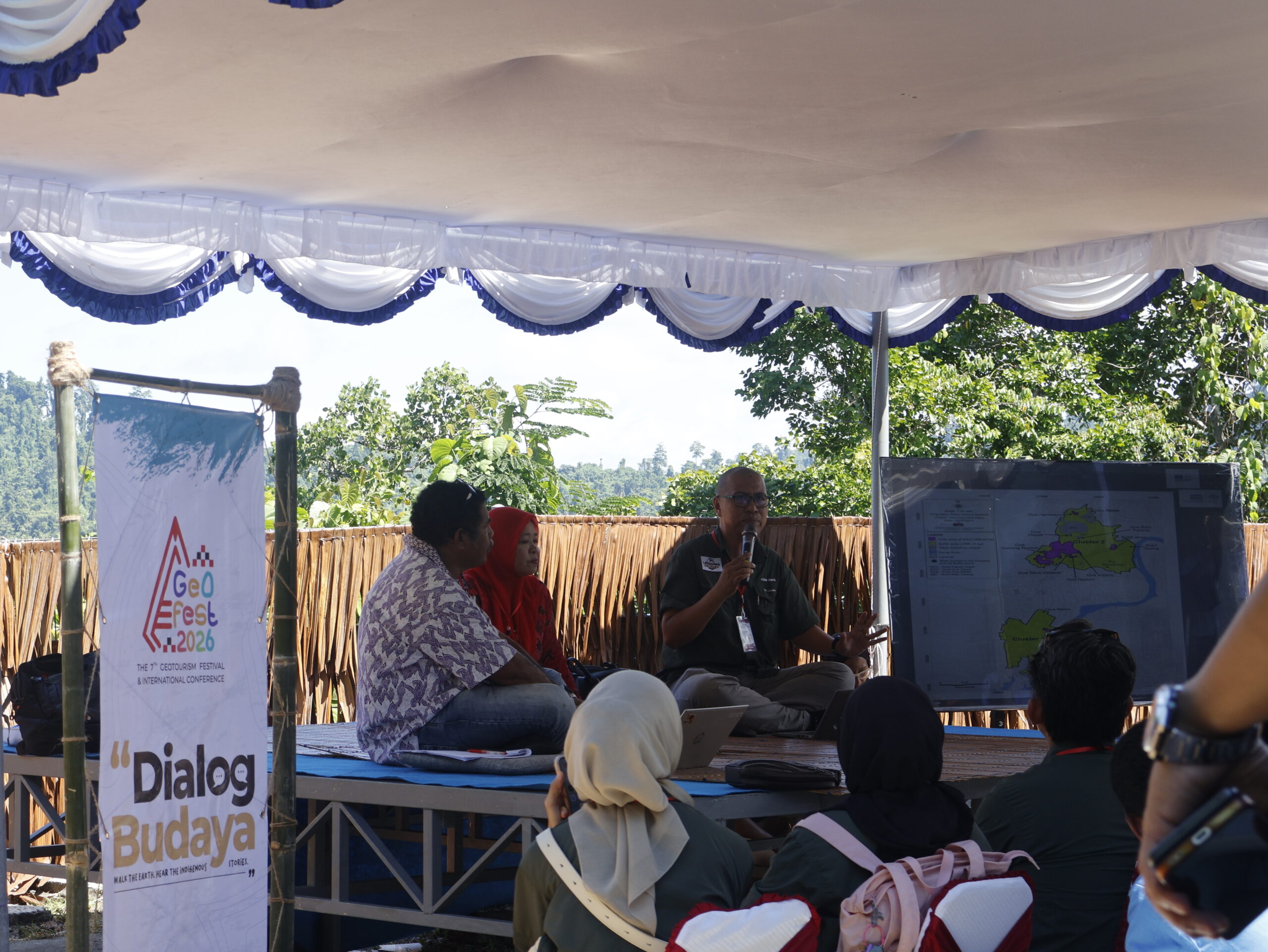
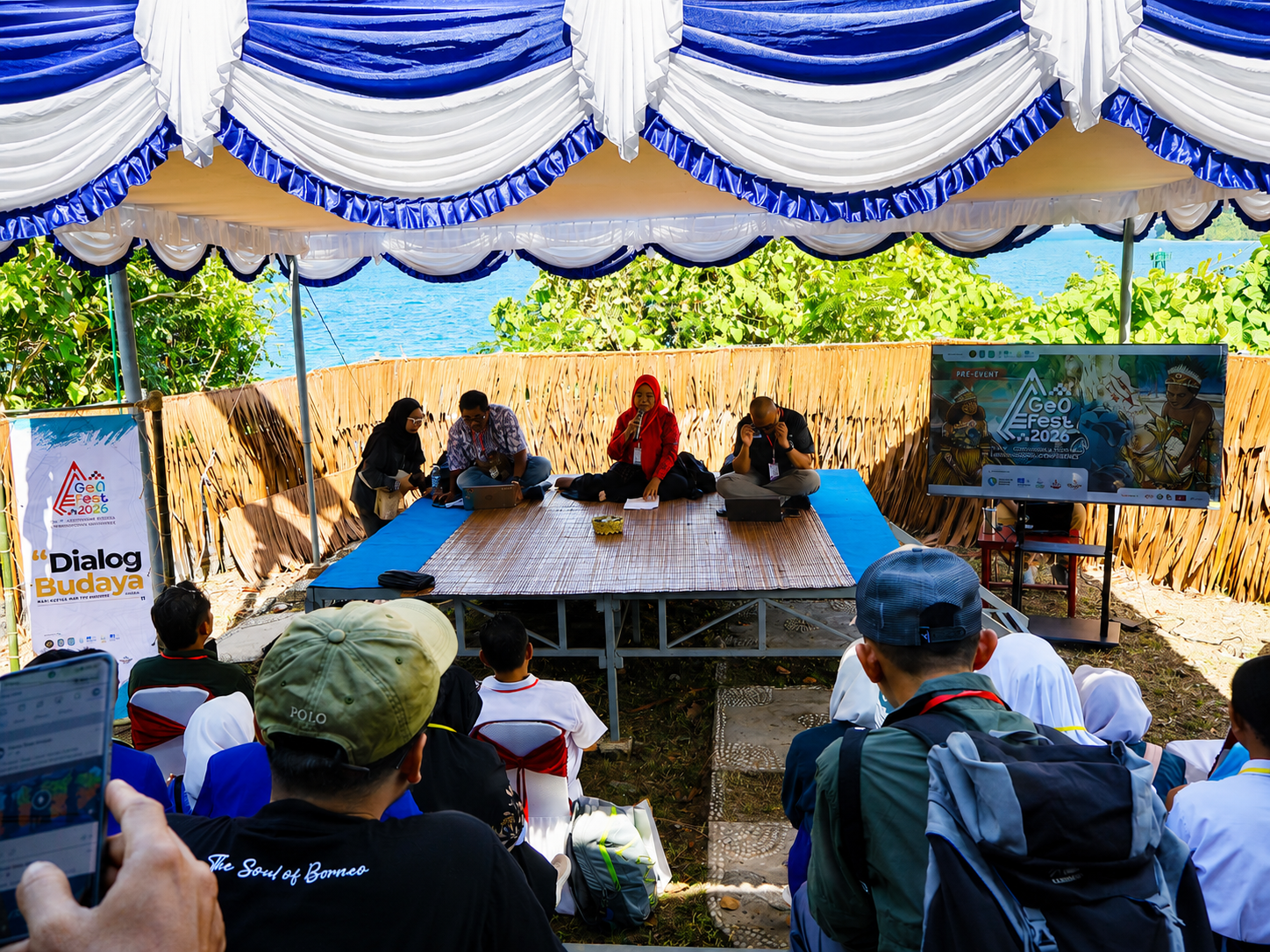
Main Stage Philosophy:
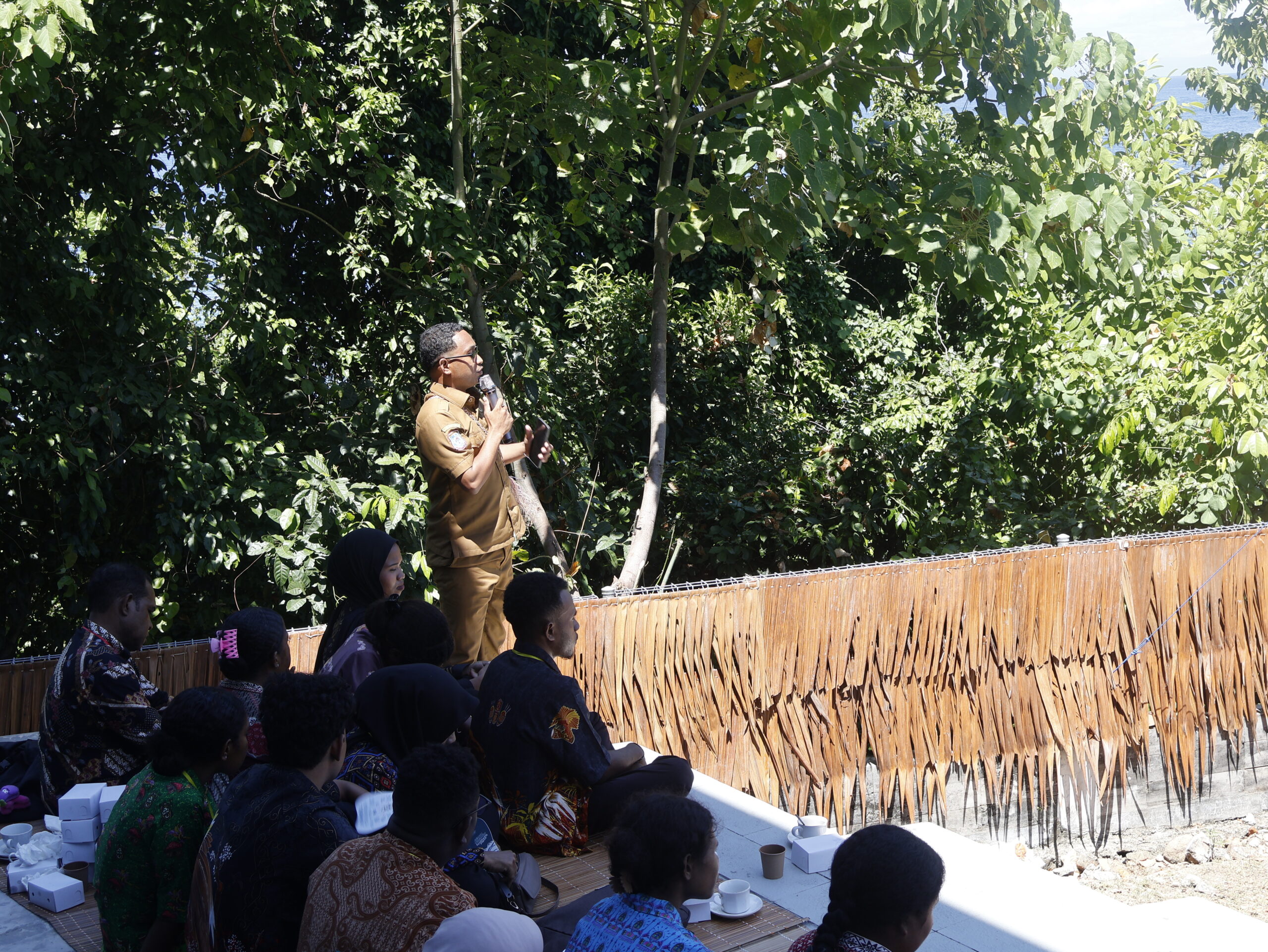
The people of Raja Ampat consistently engage in dialogue, both in daily life and in serious discussions, on a "senat", a mat made from sago palm trunks, accompanied by offerings of betel nut and lime. They sit in a circle, same heads level, and gaze into each other's eyes.
Excecutive Summary
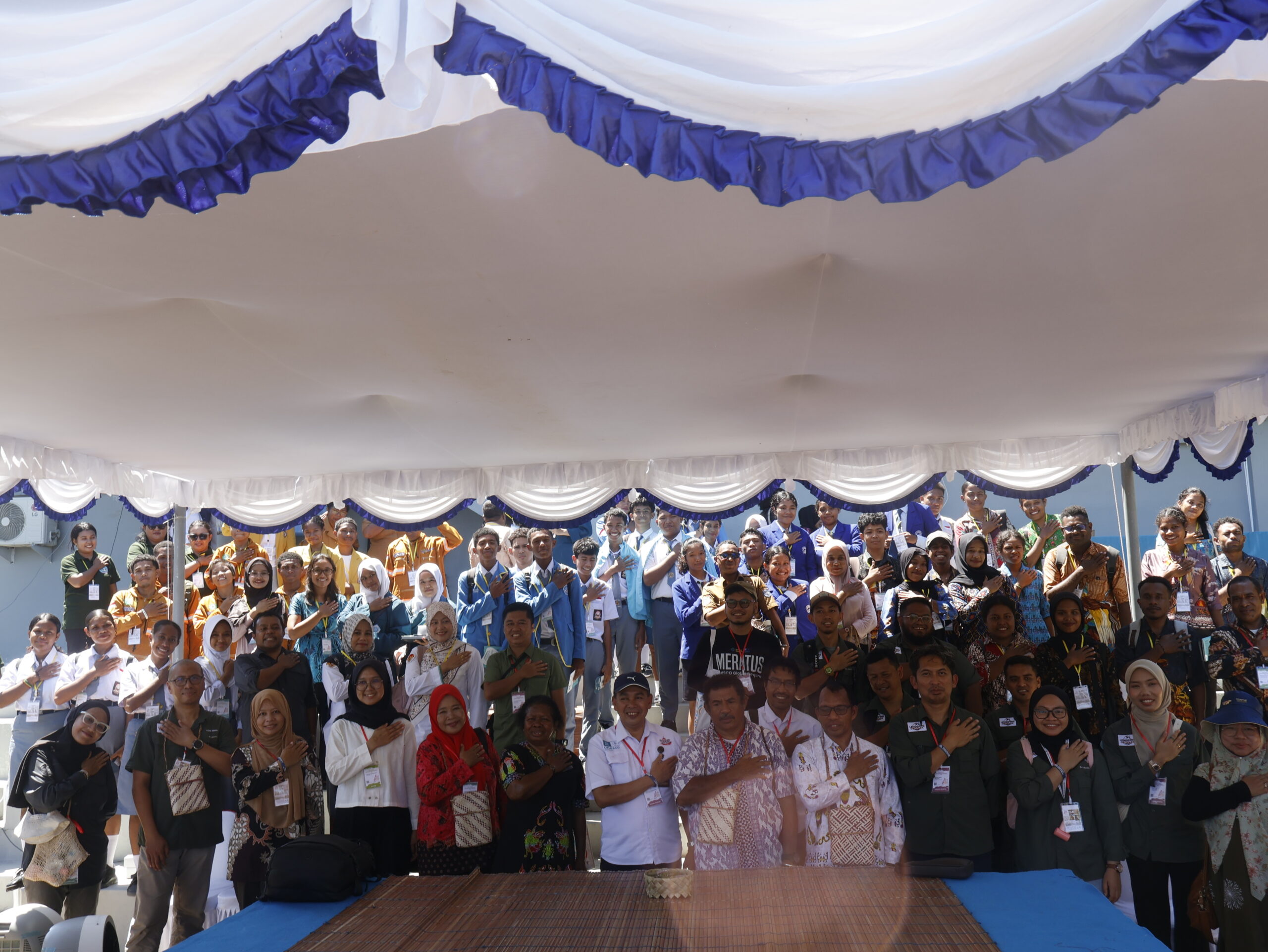
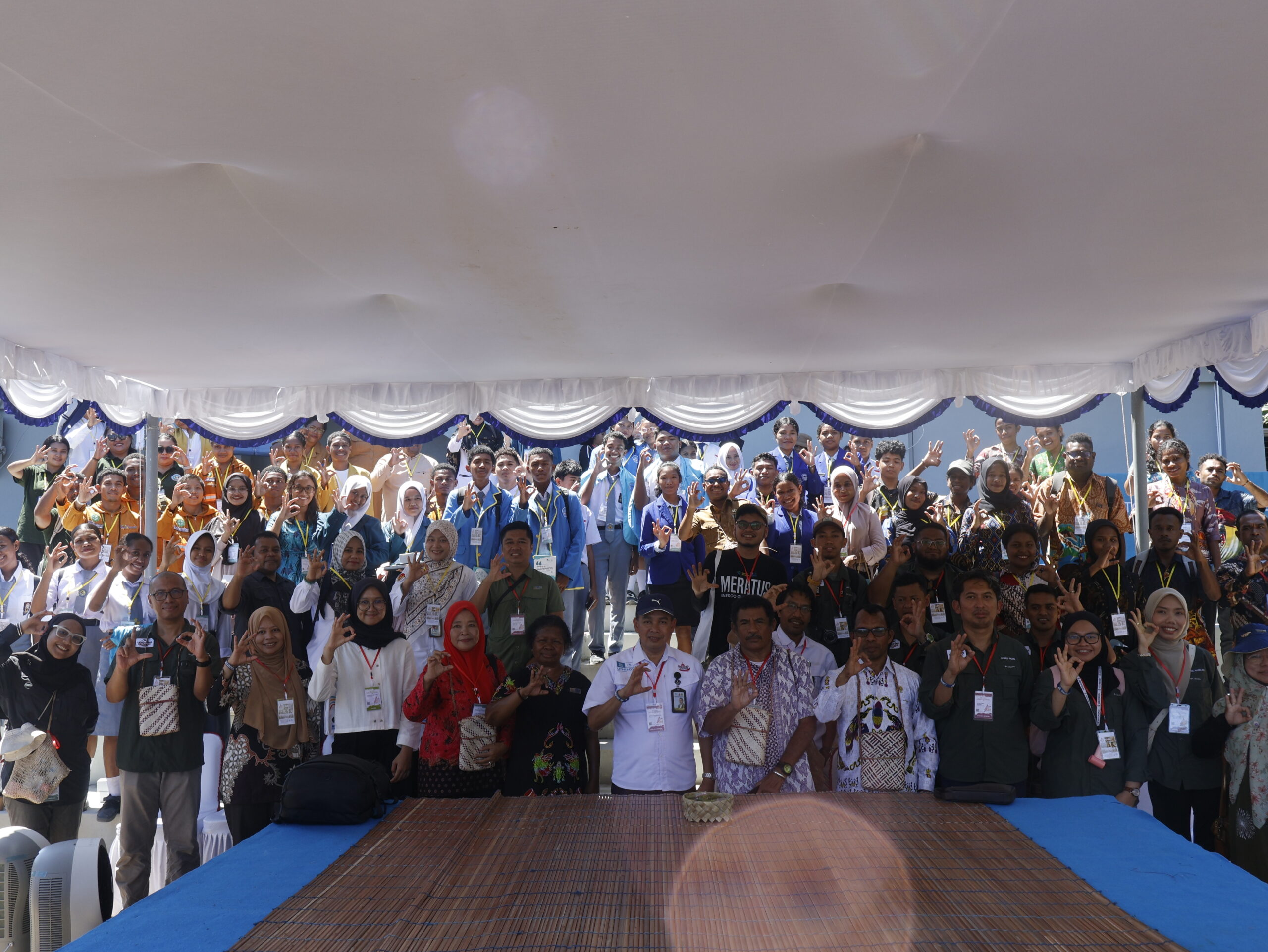
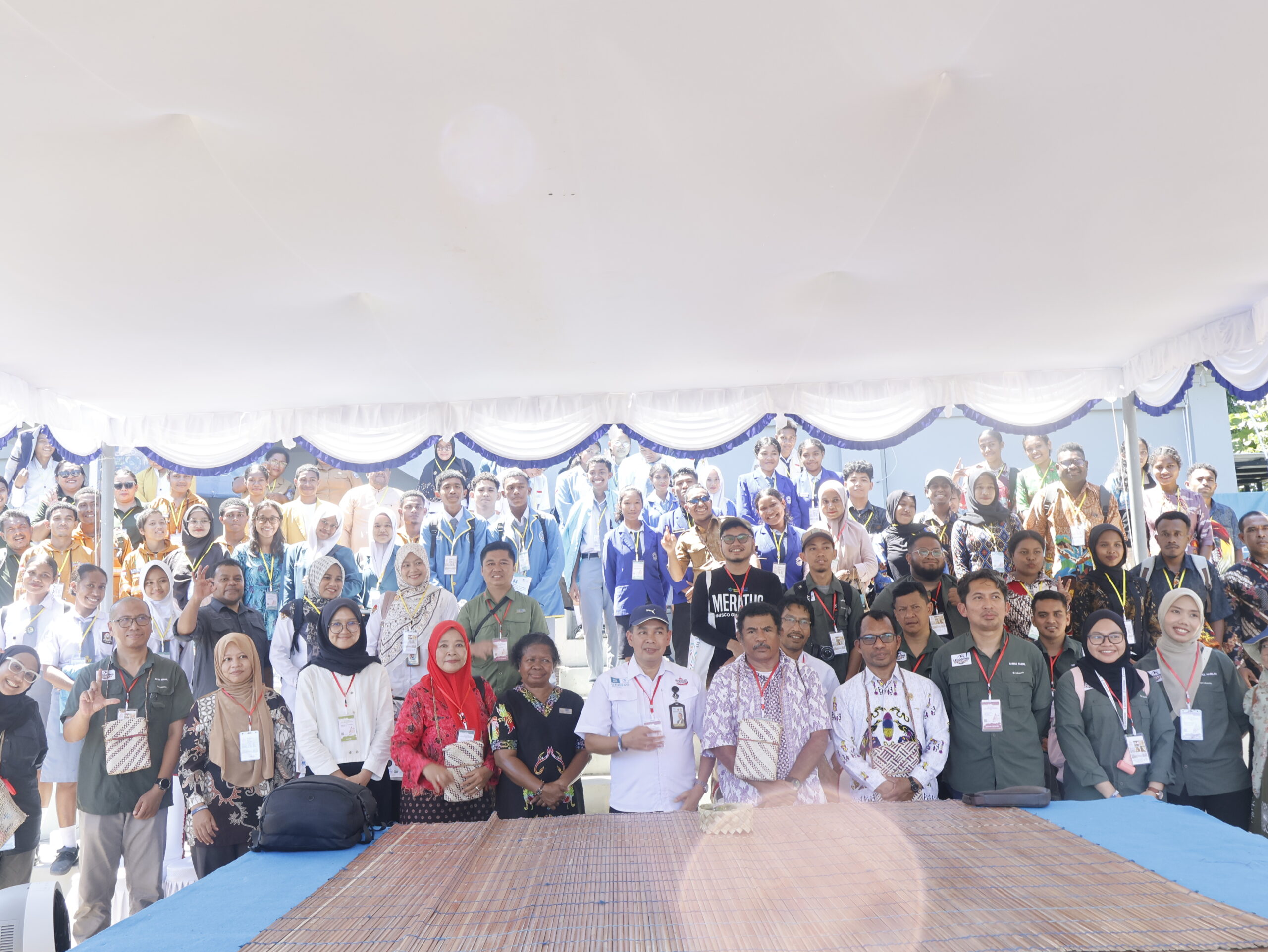
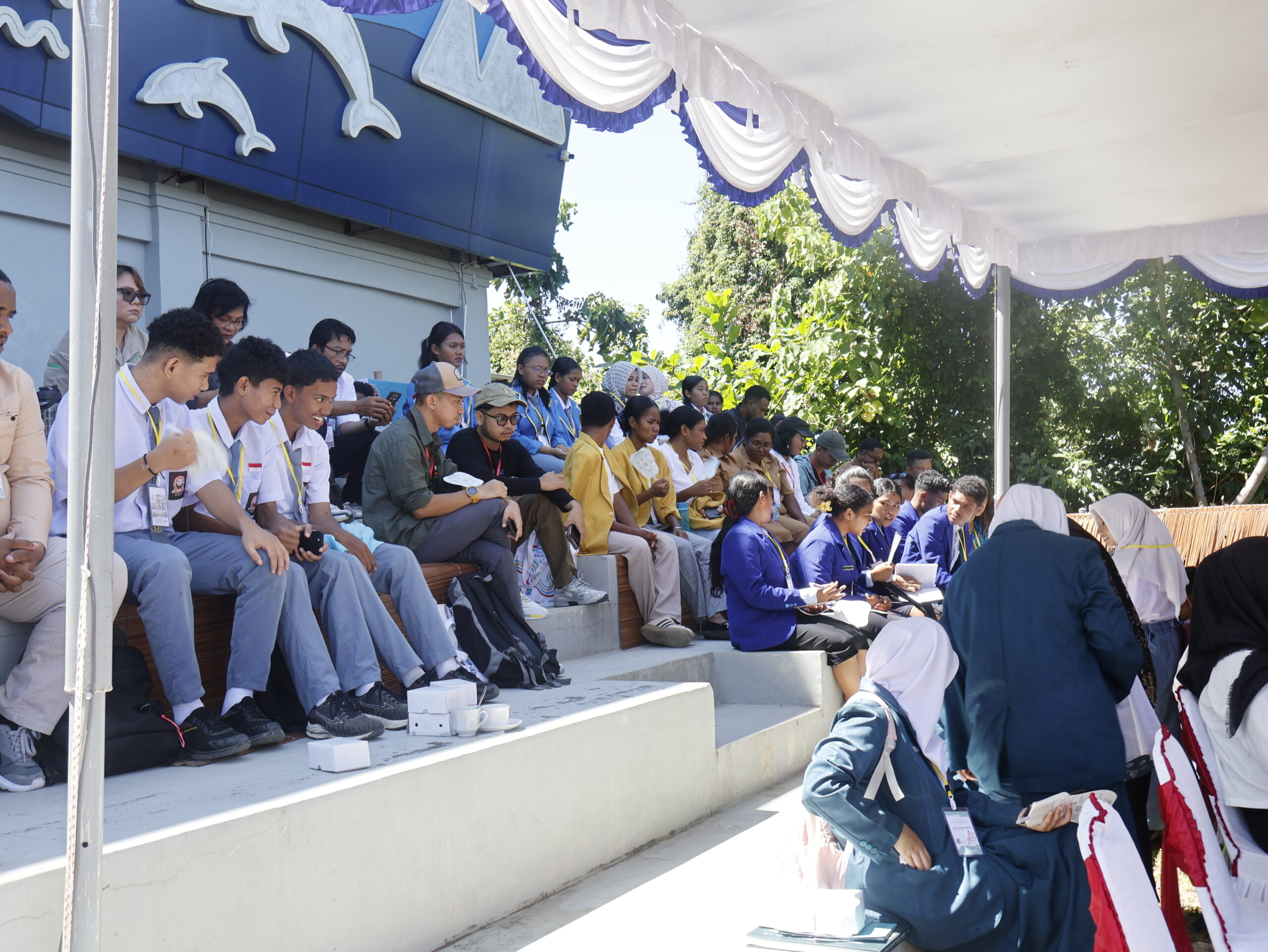
The Cultural Dialogue of GeoFest 2026 brought together perspectives from Raja Ampat archaeology, cultural heritage management in Lenggong UNESCO Global Geopark (Malaysia), indigenous communities, youth representatives, and members of the Raja Ampat Regional Legislative Council (DPRK).
The discussion highlighted that nature conservation and cultural preservation are inseparable. Earth heritage is not only embedded in landscapes, geological formations, and biodiversity, but also in the knowledge systems, traditions, stories, languages, and practices that have evolved alongside nature for thousands of years.
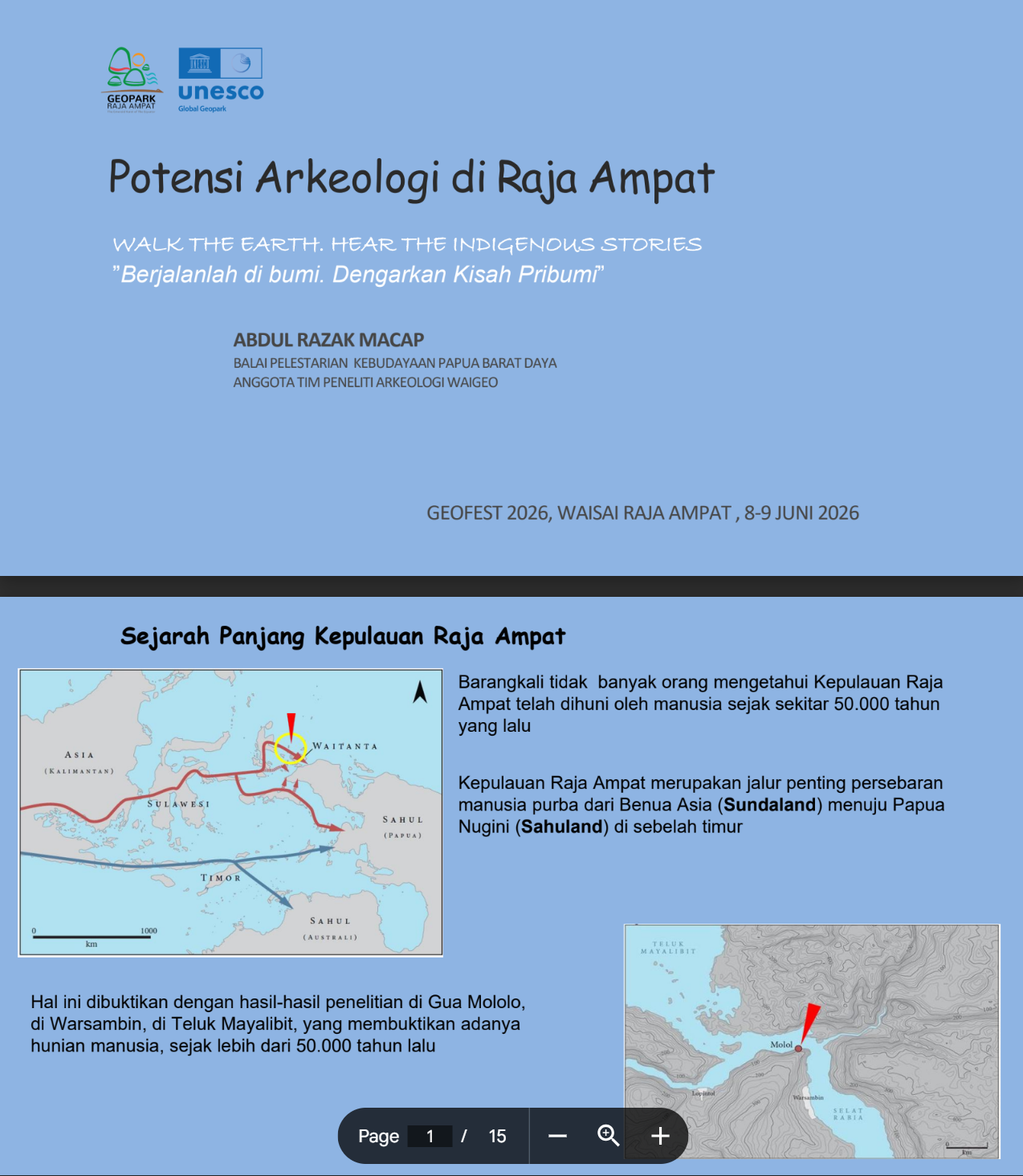
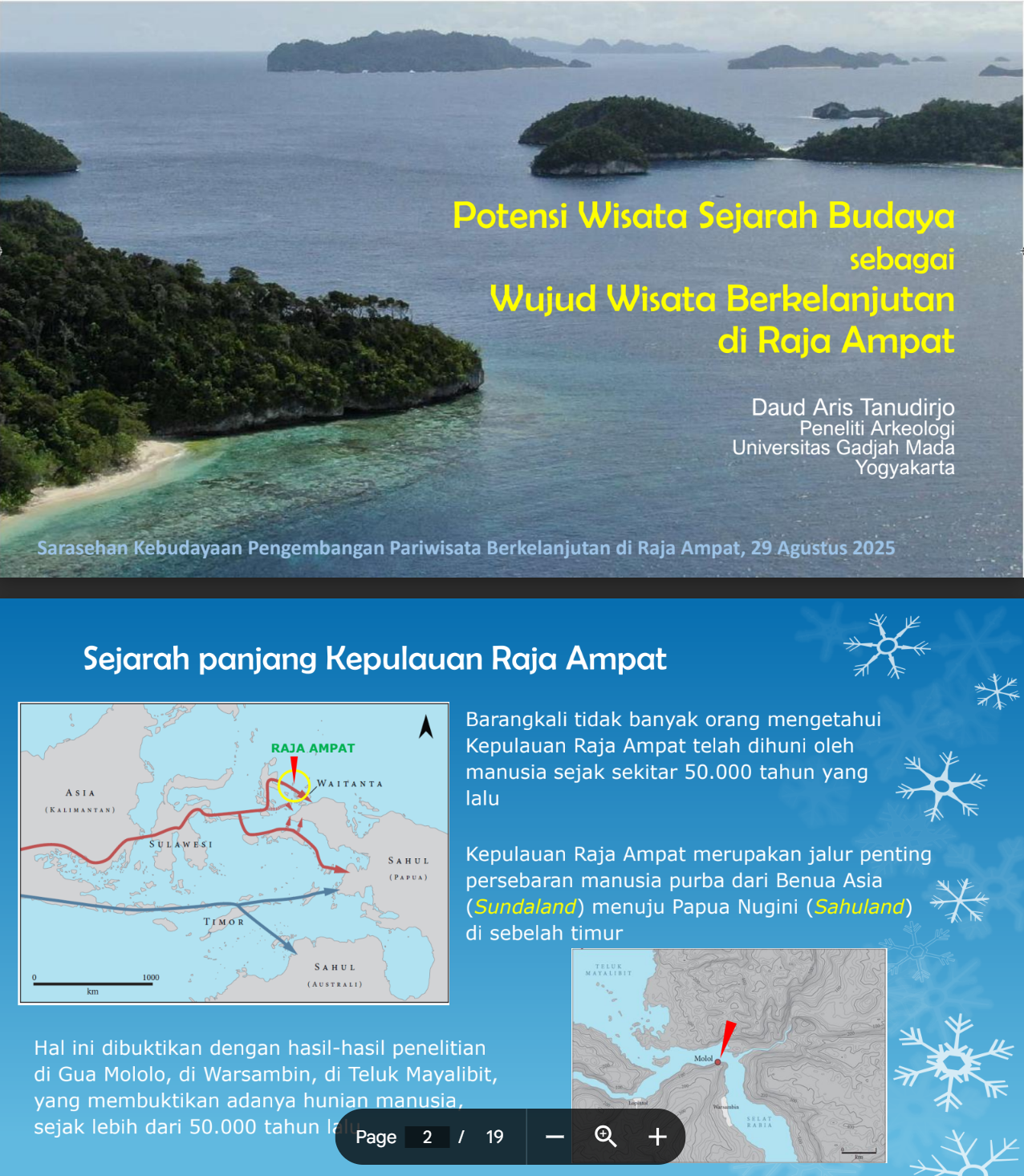
Archaeological evidence demonstrates that Raja Ampat was a significant migration corridor for early humans moving from Sundaland to Sahul more than 50,000 years ago. At the same time, the experience of Lenggong UNESCO Global Geopark illustrates that global recognition is achieved through the ability of communities to protect and interpret the long-standing relationship between people and their environment.
SPEAKER 1
ABDUL RAZAK MACAP, S.Sos., M.Si
Raja Ampat UGGp - Indonesia
SPEAKER 2
MOHD NOOR AZAM BIN ISMAIL
Lenggong UGGp - Malaysia
MODERATOR
DJUMIATI MUSTIAH, SP., M.Si
Ecotourism Study Program of Papua University
REFLECTOR
ZETH DEMAS SAUYAI
Raja Ampat Regional Legislative Council (DPRK)
Background
Raja Ampat is internationally recognized for its extraordinary marine biodiversity and geological heritage. However, the archipelago also preserves a rich cultural and archaeological record that remains relatively unknown to the wider public.
Research conducted in Mololo, Warsambin, Mayalibit Bay, Kabui Bay, Misool, and other locations has revealed evidence of prehistoric human occupation, rock art, burials, pottery fragments, and long-term human interaction with island and coastal environments.
The Cultural Dialogue was organized to explore how cultural heritage and indigenous knowledge can be integrated into geopark management and sustainable development.
Key Findings
1. Raja Ampat is both a natural and cultural landscape
Presentations from archaeologists revealed that Raja Ampat has been part of an important prehistoric migration route connecting Sundaland and Sahul for more than 50,000 years.
Archaeological discoveries, including rock art, burials, pottery fragments, and evidence of early settlement, demonstrate that Raja Ampat possesses exceptional cultural and historical significance alongside its natural values.
Conservation efforts should therefore address not only biodiversity and geodiversity, but also cultural heritage.
2. Rock art preserves irreplaceable knowledge
Rock art sites across Waigeo and Misool contain hand stencils, human figures, animals, boats, and geometric motifs. These images are more than artistic expressions; they serve as repositories of knowledge about past societies, technologies, belief systems, mobility patterns, and interactions with the environment.
Vandalism and site degradation threaten the loss of information that can never be recovered.
3. Indigenous knowledge represents a long-standing conservation system
Community representatives emphasized that conservation practices existed long before the introduction of modern conservation frameworks.
Traditional resource management systems developed through generations of observation, adaptation, and stewardship of terrestrial and marine ecosystems. Indigenous knowledge should therefore be recognized as an integral component of conservation rather than a supplementary element.
4. Global recognition is rooted in history, identity, and community participation
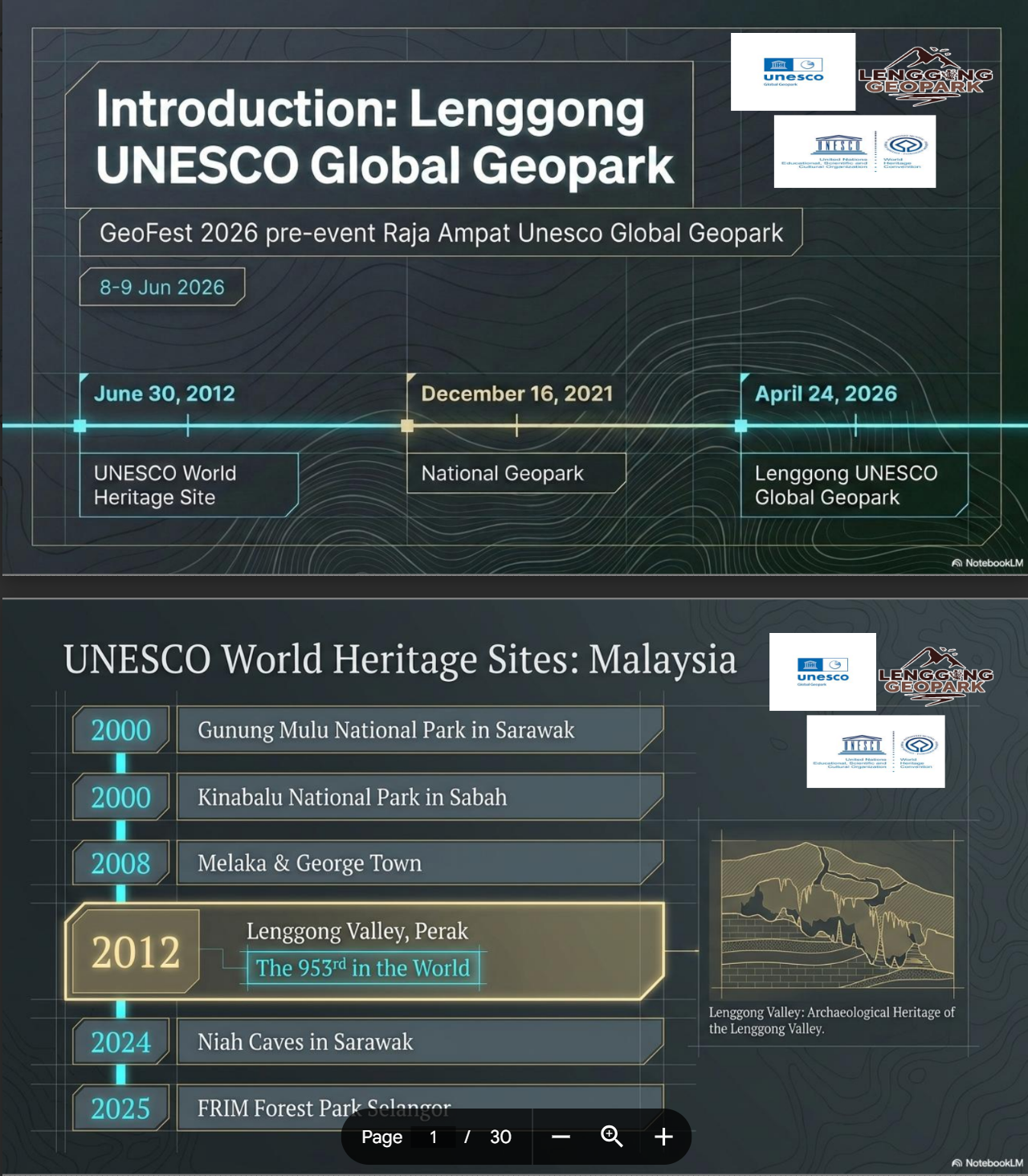
The experience of Lenggong UNESCO Global Geopark demonstrates that international recognition is built upon the integration of geological, archaeological, cultural, educational, and community values.
Lenggong evolved from a UNESCO World Heritage Site into a UNESCO Global Geopark through strong collaboration among government institutions, researchers, local communities, and heritage managers.
This experience offers valuable lessons for Raja Ampat in strengthening the connection between heritage conservation and community development.
5. Youth are essential guardians of Earth heritage
Discussions with participants highlighted that many young people are still unfamiliar with the geological and cultural heritage that exists within their own communities.
Participants emphasized the need for educational approaches that connect local stories, field experiences, indigenous knowledge, and digital communication tools to strengthen cultural awareness and stewardship among younger generations.
Reflections from the Raja Ampat Regional Legislative Council (DPRK)
Representatives of the Raja Ampat Regional Legislative Council, Mr. Zeth Demas Sauyai, emphasized that:
- Conservation must encompass people, culture, and nature simultaneously.
- Cultural traditions form an essential part of Raja Ampat’s identity and should be continuously safeguarded.
- UNESCO recognition carries a collective responsibility to protect both natural and cultural heritage.
- Collaboration between government, indigenous communities, and geopark management should be strengthened through policy and practical action.
- Indigenous youth should be positioned as key actors in safeguarding the future of the geopark.
Recommendations
For Raja Ampat UNESCO Global Geopark
- Integrate archaeological and cultural heritage into geosite interpretation programs.
- Develop systematic documentation of oral traditions, indigenous knowledge, and local histories.
- Strengthen protection and monitoring of rock art and archaeological sites.
For Local Government
- Enhance collaboration between Raja Ampat UNESCO Global Geopark and cultural heritage institutions.
- Develop policies and mechanisms to prevent vandalism and damage to cultural sites.
- Support research, inventory, and conservation of cultural heritage throughout Raja Ampat.
For Schools and Youth
- Encourage documentation and storytelling of local knowledge and cultural practices.
- Promote place-based learning through geosites and cultural heritage sites.
- Empower young people as ambassadors of Earth heritage through education, digital media, and community initiatives.
Conclusion
The beauty of RajaAmpat is not solely the result of geological processes and natural evolution. It is also the outcome of a relationship between people and nature that has developed over tens of thousands of years. Protecting nature without protecting culture risks losing the stories, knowledge, and meanings that make landscapes truly significant.
As expressed during the Cultural Dialogue:
"Let us not merely be spectators, but become part of the history of Raja Ampat, the Land of Papua, and the world."
Download Presentation
SPEAKER 1
ABDUL RAZAK MACAP, S.Sos., M.Si
Raja Ampat UGGp - Indonesia
SPEAKER 1
ABDUL RAZAK MACAP, S.Sos., M.Si
Raja Ampat UGGp - Indonesia
SPEAKER 2
MOHD NOOR AZAM BIN ISMAIL
Lenggong UGGp - Malaysia
©2025 Raja Ampat UNESCO Global Geopark Management Body
All Rights Reserved.
 English
  Indonesian